
Acupuncture: From Ancient Origins to Modern Life in Eugene
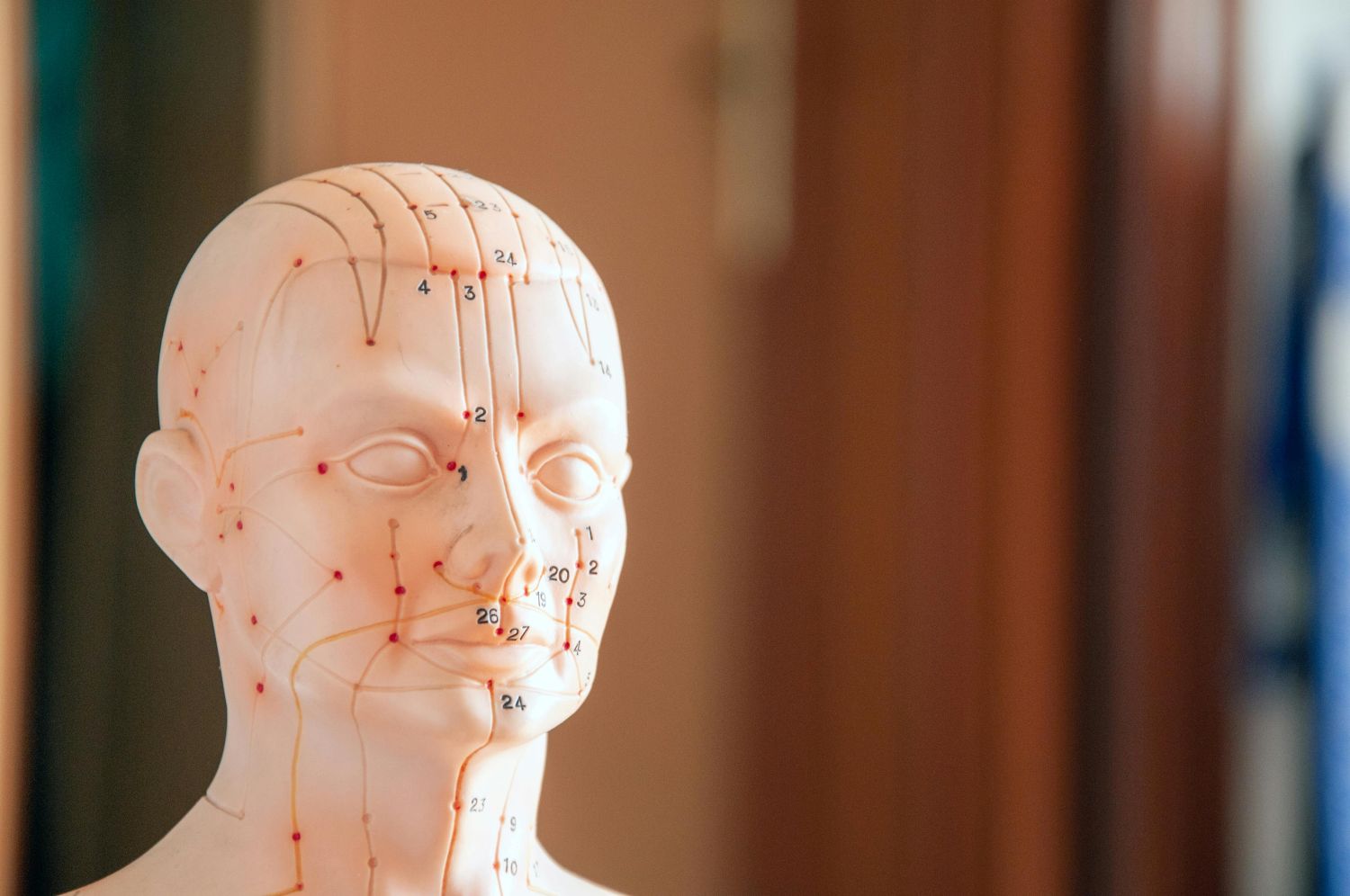
Acupuncture is one of the oldest healing practices in the world, yet it remains remarkably relevant in modern life. From its roots in ancient China to its integration into today’s wellness and medical systems, acupuncture continues to help people manage pain, stress, and overall health. In this guide, we’ll explore its history, how it works for modern-day concerns, and debunk some common myths along the way. If you’re in Eugene and curious about trying acupuncture, our Alive Integrative Medicine acupuncture services can help you experience its benefits firsthand.
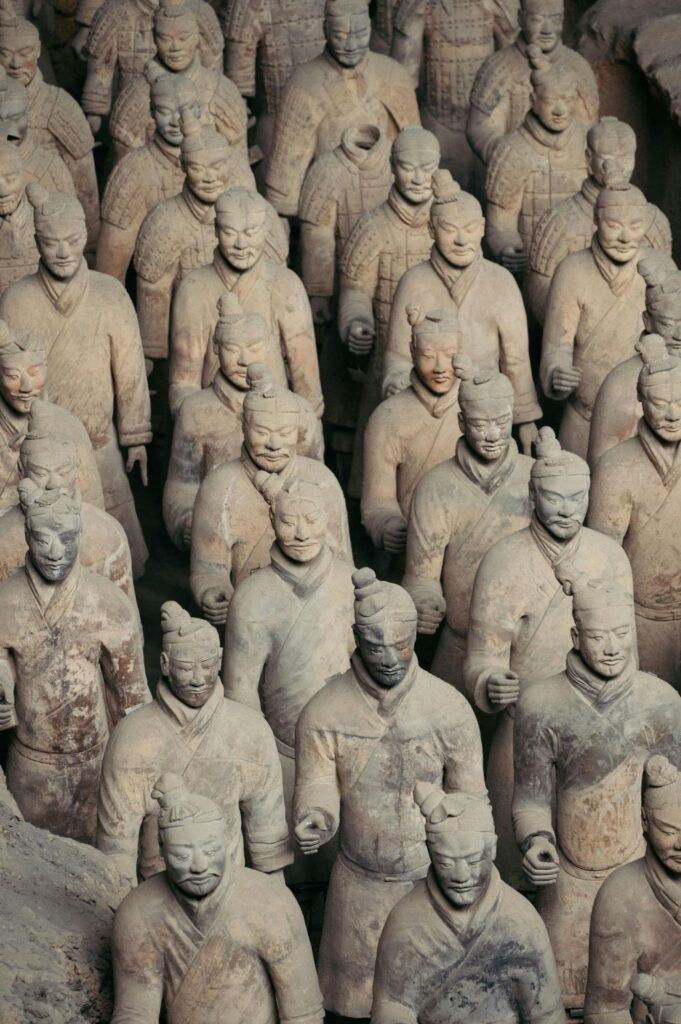
A Journey Through History: How Acupuncture Began
Acupuncture originated over 2,500 years ago as part of Traditional Chinese Medicine (TCM). Early practitioners believed that the body’s vital energy, or Qi, flowed through invisible pathways called meridians. When Qi was blocked or out of balance, illness or discomfort could occur. By stimulating specific points along these pathways, practitioners could restore balance and promote healing.
In ancient times, acupuncture was performed using sharpened stones, bones, and eventually metal needles. Early texts, such as the Huangdi Neijing (The Yellow Emperor’s Classic of Internal Medicine), documented the theoretical framework and practical applications of acupuncture, covering conditions ranging from pain relief to digestive issues.
Acupuncture began to reach the United States in the early 20th century, initially through Chinese immigrants and later through increased interest from Western medicine in holistic and complementary therapies. Today, acupuncture is widely practiced across integrative clinics, hospitals, and wellness centers, blending ancient wisdom with modern healthcare.
Why Acupuncture Still Matters in Modern Life
Modern life brings unique challenges — chronic stress, long hours at a desk, poor sleep, and digestive irregularities are common complaints. Acupuncture remains a powerful tool to address these concerns. By inserting thin, sterile needles into targeted points, acupuncture stimulates the nervous system, improves circulation, and triggers the release of endorphins and other neurotransmitters that help regulate the body’s systems.
Some of the ways acupuncture supports modern wellness include:
- Stress and anxiety reduction: Acupuncture activates the parasympathetic nervous system, promoting relaxation and mental clarity.
- Pain management: From back and neck pain to headaches and joint discomfort, acupuncture can help reduce inflammation and improve mobility.
- Digestive support: Acupuncture may enhance gut motility, balance digestion, and reduce bloating.
- Immune system support: By influencing the body’s natural defenses, acupuncture can help maintain overall health and resilience.
It’s also increasingly common to combine acupuncture with other wellness practices, such as massage or nutrition counseling, to create a holistic approach to health. At Alive Integrative Medicine, our practitioners in Eugene integrate acupuncture with other services to maximize results for each individual.
Myths vs. Facts About Acupuncture
Despite its long history and growing popularity, acupuncture is often misunderstood. Here are some common myths and the facts behind them:
Myth: Acupuncture is painful.
Fact: Most people feel only a slight pinch or pressure when needles are inserted. Treatments are generally relaxing and minimally invasive.
Myth: Acupuncture is just a placebo.
Fact: Numerous studies show that acupuncture can influence nervous system signaling, blood flow, and chemical messengers in the body — supporting its effectiveness beyond placebo.
Myth: Acupuncture is only for pain.
Fact: While widely used for pain management, acupuncture can also support stress relief, digestion, immunity, sleep, and overall wellness.
Myth: Results are immediate.
Fact: Some people notice improvements after the first session, but most require multiple treatments to see lasting benefits, especially for chronic conditions.
Experience Acupuncture in Eugene
Acupuncture is a safe, effective, and time-tested therapy for physical and emotional well-being. Whether you’re looking to manage stress, reduce pain, or enhance your overall wellness, it can be a valuable part of your health routine. If you’re in Eugene, schedule a session with our Alive Integrative Medicine acupuncture services and experience how this ancient practice continues to make a difference in modern life.



Having done this myself it is amazing!